English translation for this page is currently unavailable. We are working on it, stay tuned!


1 / 7
Product description
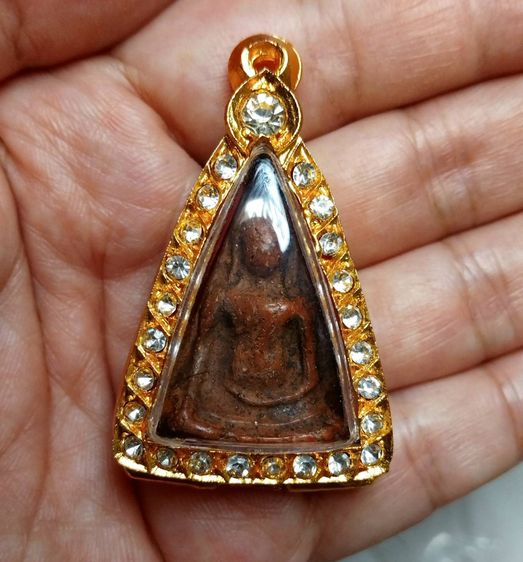
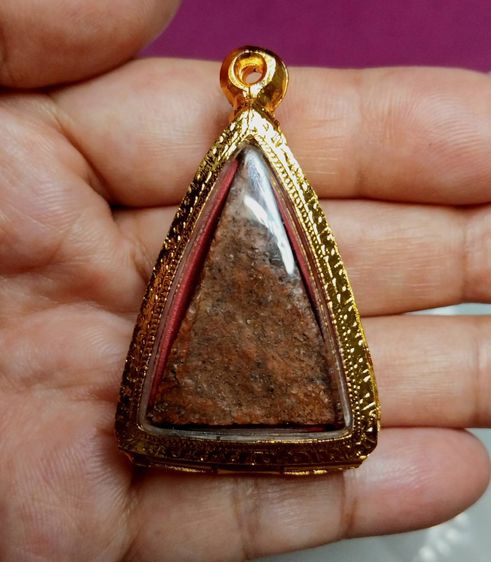
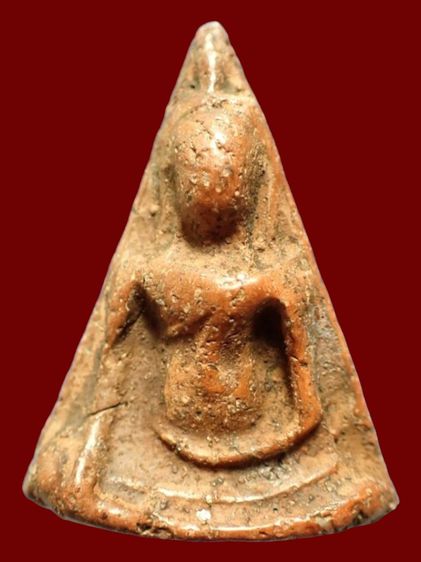
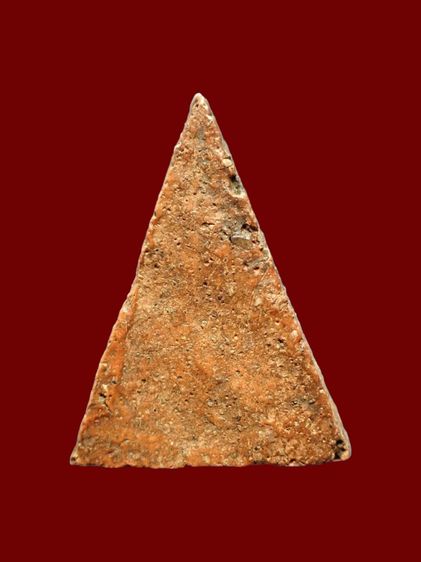
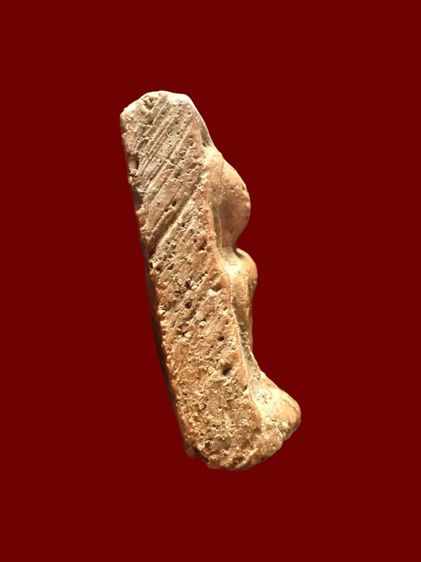
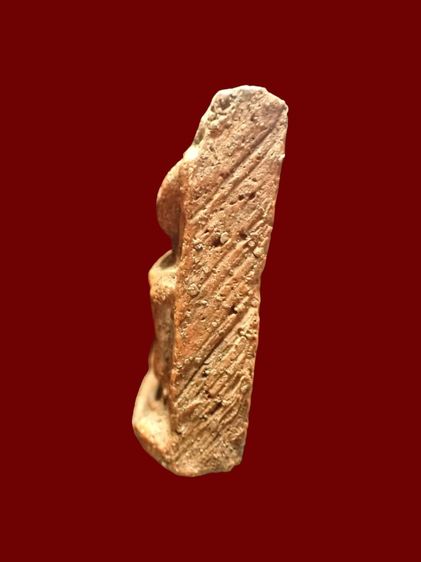
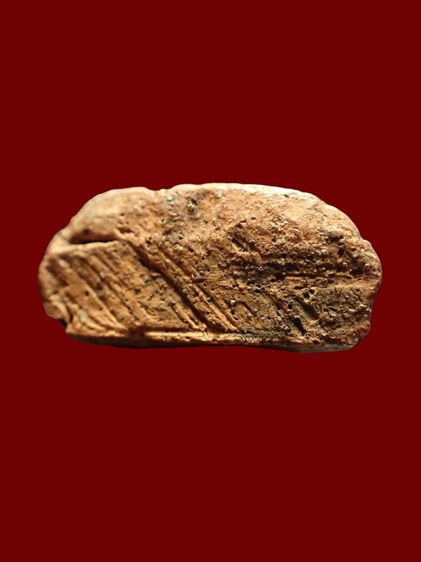
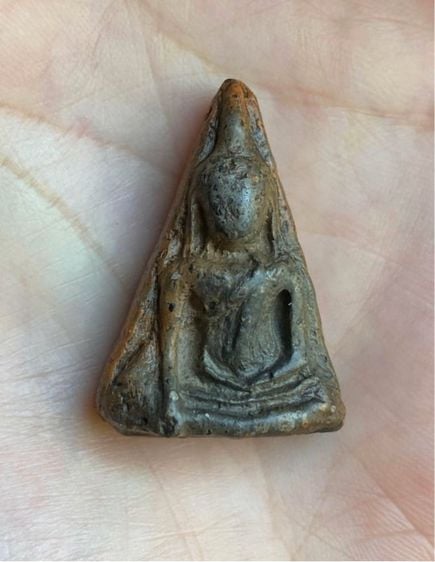
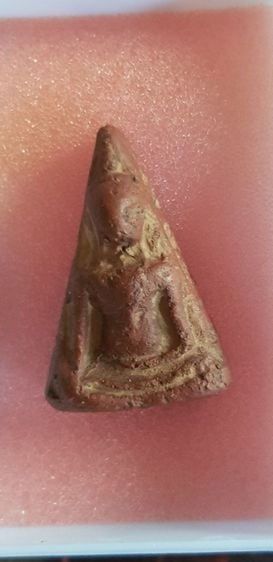
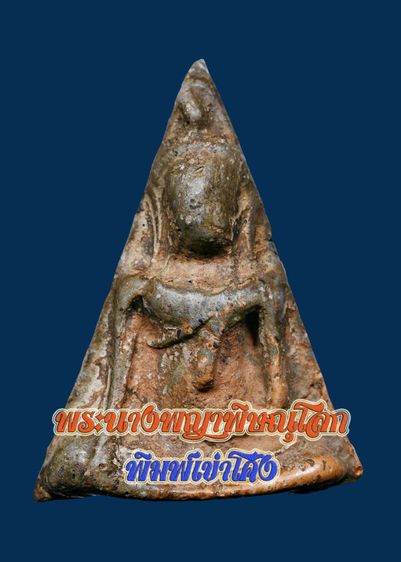
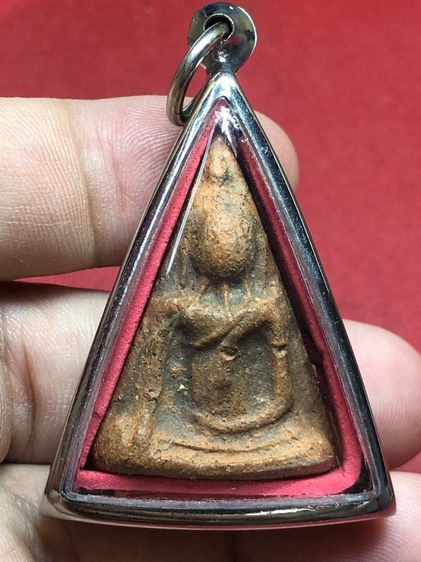
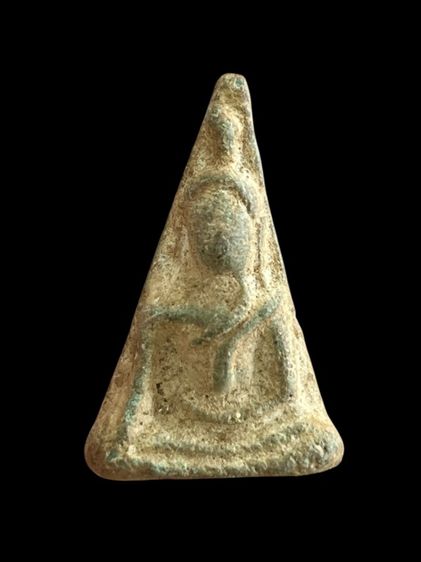
รหัสสินค้า: PNY_002ชื่อภาษาไทย: พระนางพญา พิมพ์เข่าโค้งวัด: นางพญา จังหวัดพิษณุโลกผู้สร้าง: สมเด็จพระวิสุทธิกษัตรีย์ ราชธิดาองค์ใหญ่ใน สมเด็จพระมหาจักรพรรดิปีที่สร้าง: ระหว่าง พ.ศ.2091 ถึง พ.ศ. 2112
พระนางพญา วัดนางพญา จังหวัดพิษณุโลก มีอยู่ด้วยกันหลายพิมพ์ หากจะแบ่งตามขนาดจะเรียกว่า "นางใหญ่" ได้แก่ พิมพ์เข่าโค้ง พิมพ์เข่าตรง พิมพ์เข่าตรงมือตกเข่า พิมพ์อกนูนใหญ่ ส่วน "นางเล็ก" ได้แก่ พิมพ์อกนูนเล็ก พิมพ์สังฆาฏิ และพิมพ์เทวดา สำหรับพิมพ์ที่ได้รับความนิยมเป็นอันดับต้นๆในบรรดาพระนางพญาด้วยกัน ได้แก่ พิมพ์เข่าโค้ง ซึ่งเรียกจากพุทธสรีระของพระเพลา และพระชานุที่มีลักษณะโค้งเล็กน้อย เป็นศิลปะสุโขทัยที่งดงามมาก เอกลักษณ์ของแม่พิมพ์ ซึ่งมีจุดสังเกตคือ โคนพระเกศมีลักษณะเหมือนปลีกล้วย เส้นกระจังหน้าจะคมชัด ปรากฏเส้นเอ็นคอโค้งลงมาจดพระอังสะทำให้ดูประหนึ่งองค์พระใส่สร้อยสังวาลย์ เส้นอังสะใต้ราวนมจะแล่นทะลุเกือบชนลำพระกร ปลายศอกซ้ายขององค์พระจะมีเส้นวิ่งเชื่อมจดปลายพระบาท.
[Product code] PNY_002.[Product name] Pra Nang Phaya Pim Khaokong.[Temple] Wat nang phaya Phitsanulok province.[Supporter of Casting] Phra Wisut Krasat Tri.[Made in Year] BE2091-BE2112.
Phra Nang Phaya, Wat Nang Phaya, Phitsanulok Province There are many types together. If divided according to size, it is called "Nang Yai", including curved knee type, straight knee type, straight knee type with hands falling on knees. "Nang Lek" includes small raised chest print, Sangkhathi print, and Thewada print (Angel print). The print that is the most popular among Phra Nang Phaya is the curved knee print. which is called from the Buddha's body. and the legs are slightly curved It is a very beautiful Sukhothai art. The uniqueness of the mold which has an observation point: The base of the hair has the characteristics like a banana blossom The front grille lines are sharp. It appeared that the neck tendons curved down to touch the Buddha's chest, making it look as if the Buddha was wearing a sacred necklace. The angsa line under the breast will run through almost hitting the trunk of the king's arm. At the tip of the Buddha's left elbow there is a line running to the tip of the Buddha's feet.
Phra Nang Phaya is a sacred and revered amulet in Thai and Southeast Asian belief systems. They are believed to possess protective and auspicious qualities. The term "Phra" is an honorific title used for revered objects, including amulets.
Phra Nang Phaya amulets are highly regarded by those who believe in their powers. People often wear or carry these amulets as a form of protection, to ward off negative influences, and to bring good luck and fortune. The amulets can come in various forms and materials, and they are typically consecrated by Buddhist monks or spiritual practitioners.
The belief in and use of such amulets is rooted in local animist traditions and may be intertwined with Buddhist practices. While Buddhism is the predominant religion in Thailand and other Southeast Asian countries, animist beliefs, spirit worship, and reverence for local deities continue to be an integral part of the culture and spirituality in the region.See More
พระนางพญา วัดนางพญา จังหวัดพิษณุโลก มีอยู่ด้วยกันหลายพิมพ์ หากจะแบ่งตามขนาดจะเรียกว่า "นางใหญ่" ได้แก่ พิมพ์เข่าโค้ง พิมพ์เข่าตรง พิมพ์เข่าตรงมือตกเข่า พิมพ์อกนูนใหญ่ ส่วน "นางเล็ก" ได้แก่ พิมพ์อกนูนเล็ก พิมพ์สังฆาฏิ และพิมพ์เทวดา สำหรับพิมพ์ที่ได้รับความนิยมเป็นอันดับต้นๆในบรรดาพระนางพญาด้วยกัน ได้แก่ พิมพ์เข่าโค้ง ซึ่งเรียกจากพุทธสรีระของพระเพลา และพระชานุที่มีลักษณะโค้งเล็กน้อย เป็นศิลปะสุโขทัยที่งดงามมาก เอกลักษณ์ของแม่พิมพ์ ซึ่งมีจุดสังเกตคือ โคนพระเกศมีลักษณะเหมือนปลีกล้วย เส้นกระจังหน้าจะคมชัด ปรากฏเส้นเอ็นคอโค้งลงมาจดพระอังสะทำให้ดูประหนึ่งองค์พระใส่สร้อยสังวาลย์ เส้นอังสะใต้ราวนมจะแล่นทะลุเกือบชนลำพระกร ปลายศอกซ้ายขององค์พระจะมีเส้นวิ่งเชื่อมจดปลายพระบาท.
[Product code] PNY_002.[Product name] Pra Nang Phaya Pim Khaokong.[Temple] Wat nang phaya Phitsanulok province.[Supporter of Casting] Phra Wisut Krasat Tri.[Made in Year] BE2091-BE2112.
Phra Nang Phaya, Wat Nang Phaya, Phitsanulok Province There are many types together. If divided according to size, it is called "Nang Yai", including curved knee type, straight knee type, straight knee type with hands falling on knees. "Nang Lek" includes small raised chest print, Sangkhathi print, and Thewada print (Angel print). The print that is the most popular among Phra Nang Phaya is the curved knee print. which is called from the Buddha's body. and the legs are slightly curved It is a very beautiful Sukhothai art. The uniqueness of the mold which has an observation point: The base of the hair has the characteristics like a banana blossom The front grille lines are sharp. It appeared that the neck tendons curved down to touch the Buddha's chest, making it look as if the Buddha was wearing a sacred necklace. The angsa line under the breast will run through almost hitting the trunk of the king's arm. At the tip of the Buddha's left elbow there is a line running to the tip of the Buddha's feet.
Phra Nang Phaya is a sacred and revered amulet in Thai and Southeast Asian belief systems. They are believed to possess protective and auspicious qualities. The term "Phra" is an honorific title used for revered objects, including amulets.
Phra Nang Phaya amulets are highly regarded by those who believe in their powers. People often wear or carry these amulets as a form of protection, to ward off negative influences, and to bring good luck and fortune. The amulets can come in various forms and materials, and they are typically consecrated by Buddhist monks or spiritual practitioners.
The belief in and use of such amulets is rooted in local animist traditions and may be intertwined with Buddhist practices. While Buddhism is the predominant religion in Thailand and other Southeast Asian countries, animist beliefs, spirit worship, and reverence for local deities continue to be an integral part of the culture and spirituality in the region.See More
- Product conditionมือสอง
- Post date30 เม.ย. 2568 09:10 น.
- Listing positionบางใหญ่ นนทบุรี
- Listing ID370684491
Please do not transfer money under any circumstances.
If you need to transfer money or make an advance deposit,please verify the fraudster's bank account here
If you need to transfer money or make an advance deposit,please verify the fraudster's bank account here
Products you might be interested in
See More
Related Search Terms
About kaidee
Help center
Affiliate company
Contact Us
No. 554/117 SKYY9 CENTRE, 22nd Floor, Asoke-Din Daeng Road, Din Daeng, Din DaengKD Marketplace Co., Ltd. (Head Office)Bangkok 10400
Follow Us


To enhance your experience


© 2568 KD Marketplace Co., Ltd.